
While Goa is famous for its beaches and nightlife, the state also has a deeply rich historical and cultural heritage that many visitors overlook. Old Goa — the former capital of Portuguese India — is home to some of the finest examples of Portuguese colonial architecture in Asia, including several UNESCO World Heritage listed churches and convents.
Whether you are religious or not, visiting the churches and heritage sites of Old Goa is one of the most rewarding and humbling experiences you can have in Goa. The scale, beauty, and historical significance of these buildings is extraordinary.
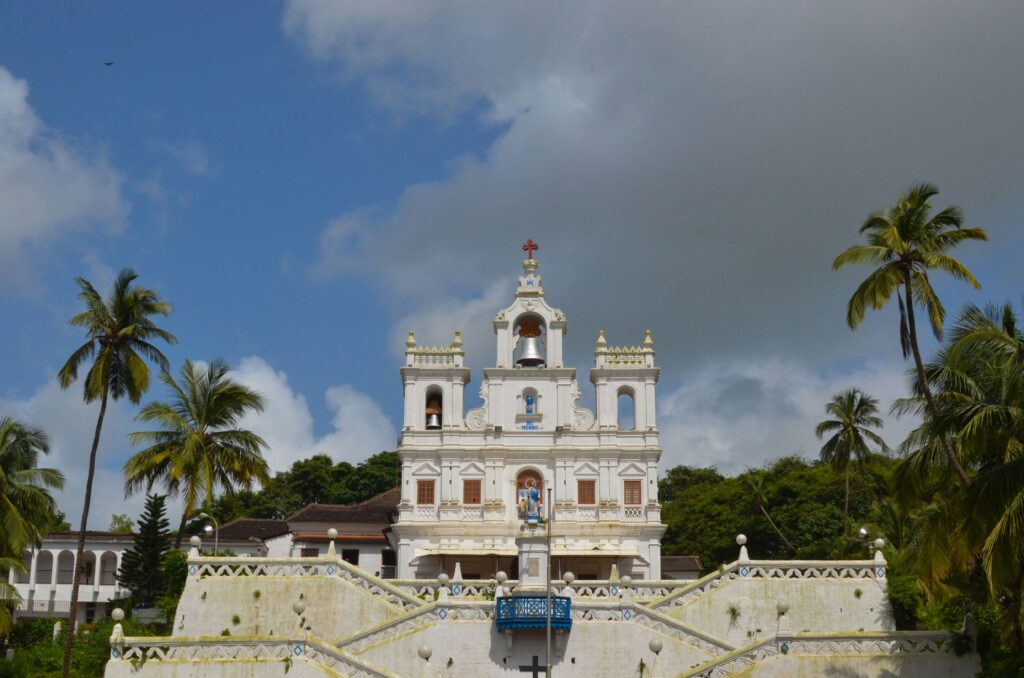
- Basilica of Bom Jesus
The Basilica of Bom Jesus is the most important church in Goa and one of the finest examples of baroque architecture in Asia. Built between 1594 and 1605, it is a UNESCO World Heritage Site and houses the mortal remains of St Francis Xavier — one of the most important Christian missionaries in history.
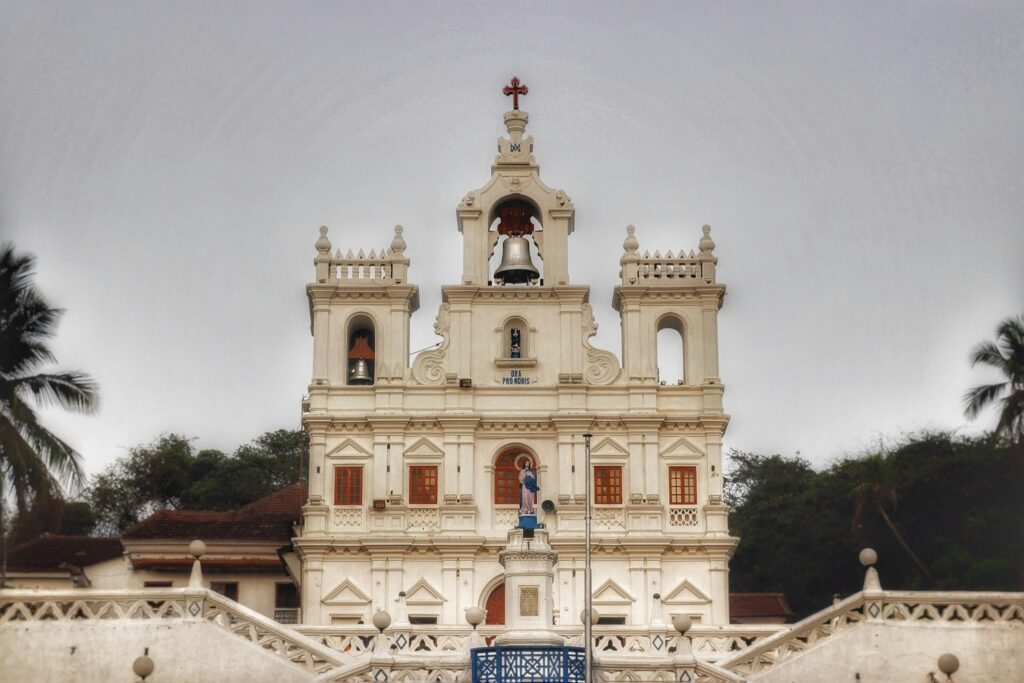
St Francis Xavier’s body has been miraculously preserved for over 450 years and is displayed in a beautifully ornate silver casket in the church’s mausoleum. A special Exposition of the relics is held once every 10 years and draws millions of pilgrims from across the world.
The church interior is stunning — dark, cool, and deeply atmospheric, with gilded altars, detailed frescoes, and beautiful marble floors. Even for non-religious visitors, the architectural grandeur and historical weight of this building are impossible not to feel.
Visiting Hours: 9am to 6:30pm daily
Entry Fee: Free
- Se Cathedral
Standing directly across from the Basilica of Bom Jesus, Se Cathedral is the largest church in Asia and one of the largest in the world. Built between 1562 and 1619, this magnificent white baroque structure dominates the Old Goa skyline.
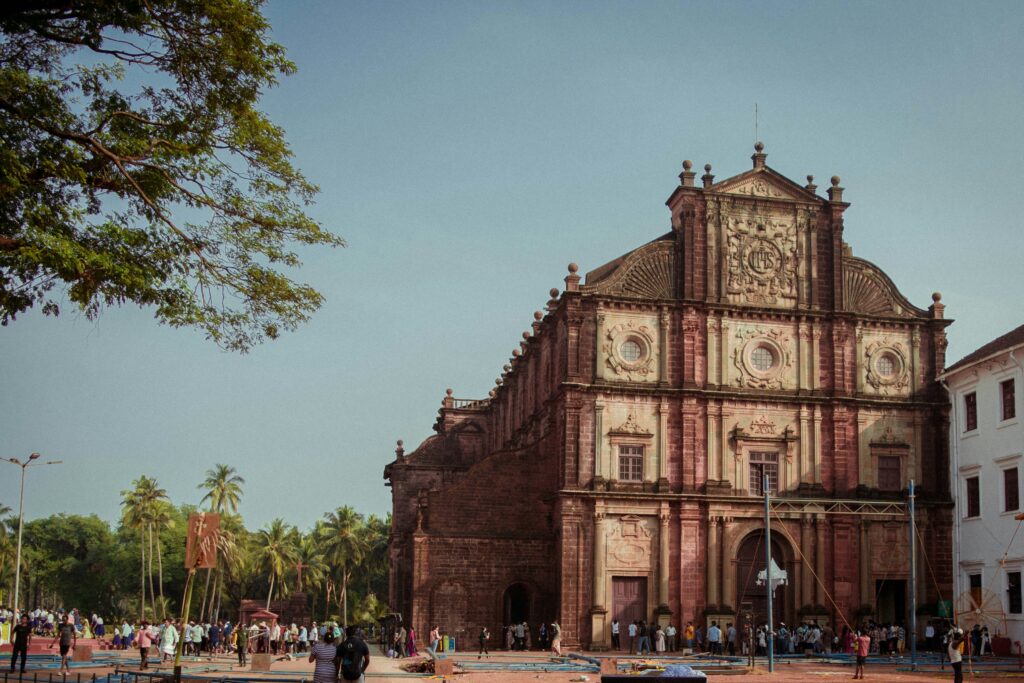
The Cathedral is dedicated to St Catherine of Alexandria and was built to commemorate the Portuguese victory over the Muslim rulers of Bijapur on the feast day of St Catherine in 1510. The interior is as impressive as the exterior — massive ornate altars, detailed woodwork, and the famous Golden Bell (the largest bell in Goa and reputedly one of the finest in the world in terms of sound).
Visiting Hours: 7:30am to 6:30pm daily
Entry Fee: Free
- Church of St Francis of Assisi
Located next to Se Cathedral, the Church of St Francis of Assisi was originally built as a chapel in 1521 and later reconstructed in the 1660s. The church is no longer in active use but the adjacent Archaeology Museum is well worth visiting. It houses a remarkable collection of sculptures, portraits of Portuguese governors, and fragments of pre-Portuguese Hindu temples.
- Chapel of St Catherine
The Chapel of St Catherine is one of the oldest churches in Goa, originally built in 1510 on the site where the Portuguese first entered Goa after their victory. It is a simple, elegant white structure that lacks the grandeur of the Basilica or Se Cathedral but has a quiet, historic charm.
- Fontainhas — Panaji’s Latin Quarter
Just 10 minutes from Old Goa in the Panaji district is Fontainhas, Goa’s beautifully preserved Latin Quarter. This narrow, winding neighbourhood of brightly coloured Portuguese-era houses, old chapels, and tiled facades is a delight to explore on foot.
The houses here are painted in vivid shades of yellow, blue, green, and pink — a legacy of the Portuguese requirement that all houses be painted in bright colours (except for white, which was reserved for churches). Walking through Fontainhas feels like stepping back into 19th century Portugal.
Best explored by foot in the morning hours when the light is beautiful for photography.
Practical Tips for Visiting Old Goa
Dress modestly when entering churches — shoulders and knees should be covered. You may be asked to cover up with a scarf or shawl before entering. Most churches have spare wraps available at the entrance.
The best time to visit is early morning (8am to 10am) when the light is beautiful, the crowds are thin, and the atmosphere is most peaceful.
Old Goa gets very hot in the afternoon — plan your visit for the morning and have lunch at one of the local restaurants nearby before exploring further.
All the major churches are within easy walking distance of each other in a compact area, so you can visit all of them in a single half-day trip.
Related reading on Goa Diaries
- Fort Aguada Goa — History, Timings, Entry Fee & Photography Guide
- Chapora Fort Goa — The Dil Chahta Hai Fort Complete Visit Guide
- Spice Plantations in Goa — Best Tours, Prices & What to Expect
- Best Photography Spots in Goa (2026) — Instagram & Golden Hour Guide
- Divar Island Goa — Offbeat Day Trip Guide (Ferry, Cycling, Villages)
- Feni — The Complete Guide to Goa’s Local Cashew and Coconut Liquor
